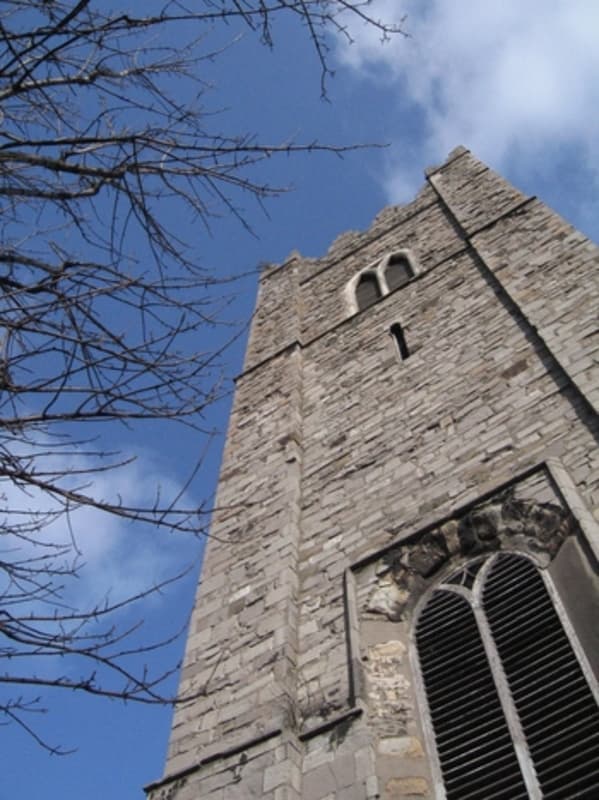
Originally founded by the Danes in 1075, this 17th-century parish church has some fine woodwork and a burial vault with well-preserved corpses on display.
St. Michan's Church in Dublin is best known for its ancient Viking origins, 18th-century organ, and well-preserved corpses on display in the crypt.
01
History
Built on the site of a Danish chapel founded in 1095, St. Michan's Church was for centuries the only parish church on this side of the River Liffey. It was built to serve the Viking population expelled from within the city walls. Rebuilt in 1685 and restored in 1998, St. Michan's now belongs to the Protestant Church of Ireland.
Timeline of St. Michan's ChurchAuto-play · hover to pause
1095 CEBuilt on the site of a Danish chapel founded in 1095 , St.
Built on the site of a Danish chapel founded in 1095 , St.
2000 BCE1 CE2000 CE
1685 CERebuilt in 1685 and restored in 1998, St.
Rebuilt in 1685 and restored in 1998, St.
02
What to see
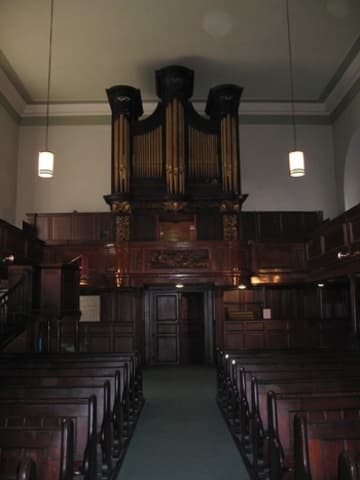
The interior of St. Michan's is notable for its fine woodwork, a large organ from 1724 on which Handel is said to have played his Messiah (it is one of the oldest still in use in Ireland), a Penitent's Stool, and a chalice dating from 1516. The pulpit and font date from the 18th century.
But the main highlight for most visitors is the burial vault underneath the church. Because of the dry atmosphere created by its limestone walls, centuries-old bodies interred here remain remarkably intact.
Guided tours lead visitors into a stone tunnel lined with burial chambers, where some of the dusty corpses can be admired in their open coffins. Among these are a nun, a man missing a hand and both feet, and a Crusader who had to be sawn in half to fit into the coffin. Legend has it that Bram Stoker's Dracula was inspired in part by the author's childhood visits to this macabre vault.
Highlights from Sacred Destinations
Explore the site
Michan's is notable for its fine woodwork, a large organ from 1724 on which Handel is said to have played his Messiah (it is one of the oldest still in use in Ireland), a Penitent's Stool, and a chalice dating from 1516.