Highlights from Sacred Destinations
Explore the site
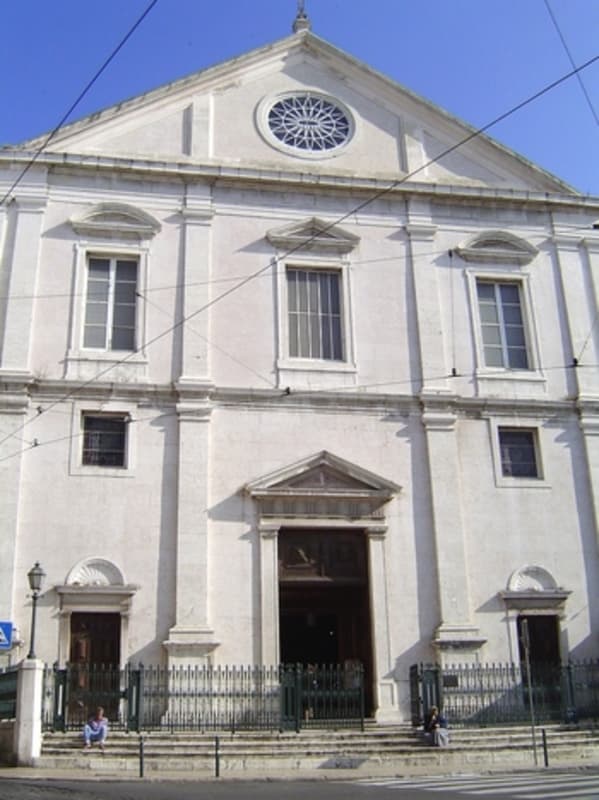
Roque Church belies the splendor within.
/ Portugal / São Roque
St. Roque · 1574
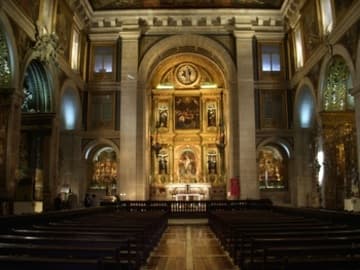
Hiding behind a very plain facade is one of the city's richest interiors. The chapels are Baroque masterpieces; one is the world's most expensive chapel. Many relics are on display, including pieces of the crown of thorns and Jesus' crib.
St. Roque Church (Igreja de São Roque) in Lisbon is a 16th-century Jesuit church famed for its elaborate Chapel of St. John the Baptist. The church includes a museum with an impressive collection of Baroque silver.
In the 16th century, the Jesuits Filippo Terzi, the architect of São Vicente, was also responsible for this Renaissance church. He was commissioned by Jesuits and completed the church in 1574.
The plain façade of St. Roque Church belies the splendor within. The nave, with a painted wood ceiling, is lined with eight side chapels full of Baroque art. The most notable of the chapels is the last one on the left: the 18th-century Capela de São João Baptista (Chapel of St. John the Baptist) by Luigi Vanvitelli.
Comissioned by King João V in 1741, the chapel was assembled in Rome of expensive materials including alabaster and lapis lazuli, then dismantled for shipment to Lisbon. It was reassembled on-site in 1747. Sometimes a guide will escort visitors around the church and switch on the appropriate lights to fully enjoy the chapel.
The church's sacristy contains many paintings depicting scenes from the lives of Jesuit saints. In addition to its wealth of Baroque art, the church contains some valuable sacred relics: include a thorn from the crown of thorns and a piece of wood from Jesus's crib.
Adjoining the church, the Museu de Arte Sacra (Museum of Sacred Art) displays a collection of clerical vestments and liturgical objects. There are 18th-century capes and drapes embroidered in gold and jewel-encrusted crosses and goblets. Two bronze-and-silver torch holders, weighing about 838 pounds, are some of the most elaborate in Europe.
The museum's paintings date mainly from the 16th century. Among them are a portrait of Catherine of Austria, a depiction of the wedding ceremony of Manuel I, and a 15th-century Virgin of the Plague. A polished conch shell served as a baptismal font in the 18th century.
Highlights from Sacred Destinations
Highlights from Sacred Destinations
Advertisement
Advertisement
Advertisement
Where on earth