Highlights from Sacred Destinations
Explore the site
The opening of the convent has provided a glimpse into what had long been a mysterious presence in central Madrid.
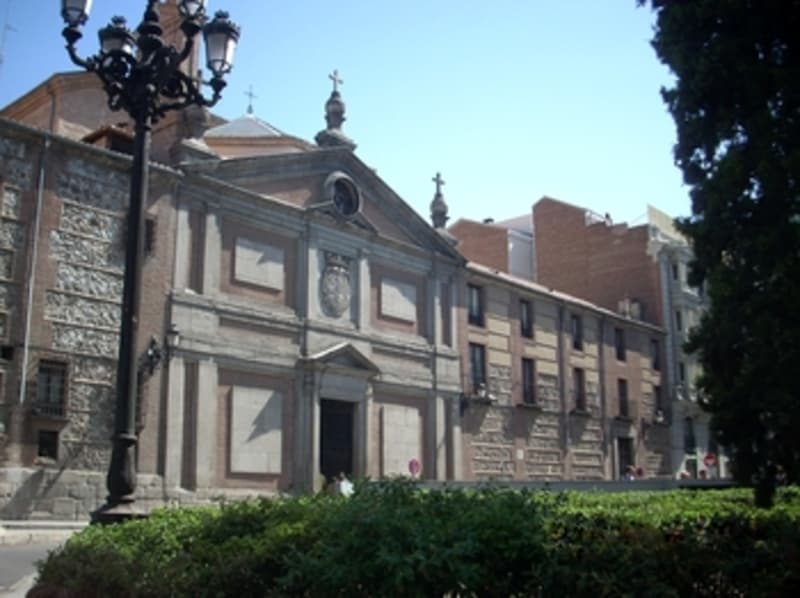
/ Spain / Monasterio de las Descalzas Reales
Sacred site
This Hapsburg convent was founded in 1559 by Joan of Austria, whose daughter hid away here rather than endure marriage to Felipe II. It is now a museum of the treasures given to the convent.
One of the lesser-known highlights of Madrid is the Monasterio de las Descalzas Reales ("Monastery of the Barefoot Royals"), a Hapsburg foundation with a fascinating museum of religious art treasures.
The convent was founded in 1559 by Joan of Austria, whose daughter hid away here rather than endure marriage to Felipe II. More aristocratic women soon followed, bringing their dowries with them. These dowries included such treasures as precious metals, paintings, and even religious relics. With all these possessions, the foundation soon became very wealthy.
By the mid-20th century, however, the Monasterio de las Descalzas Reales was mostly home to very poor women. It still held its priceless collection of treasures, but the nuns were forbidden to auction anything.
The state eventually intervened and, with a special dispensation from the pope, the convent was opened to the publc as a museum in 1960. In 1985, the European Council rated it "Museum of the Year."
The convent was founded in 1559 by Joan of Austria, whose daughter hid away here rather than endure marriage to Felipe II.
The state eventually intervened and, with a special dispensation from the pope, the convent was opened to the publc as a museum in 1960.
The opening of the convent has provided a glimpse into what had long been a mysterious presence in central Madrid. A handful of barefoot nuns still live here, growing vegetables in the garden. Access is by guided tours only, unfortunately available only in Spanish.
The main attraction of the museum is those precious dowries brought in by the aristocratic ladies who became nuns. Among them are reliquaries, one of which is said to contain pieces of the True Cross and another some of the bones of St. Sebastian.
Of the many priceless paintings on display, the most valuable is Titian's Caesar's Money. Other works shown in the Flemish Hall include those by Hans de Beken and Breughel the Elder. All of the convent's tapestries were based on Rubens's drawings, displaying his chubby matrons.
Highlights from Sacred Destinations
Highlights from Sacred Destinations
Advertisement
Advertisement
Advertisement
Where on earth