Highlights from Sacred Destinations
Explore the site
As at the Monasterio de las Descalzas Reales , visits to the Monasterio de la Encarnación are by guided tours in Spanish only.
/ Spain / Monasterio de La Encarnación
Incarnation of Christ · 1611
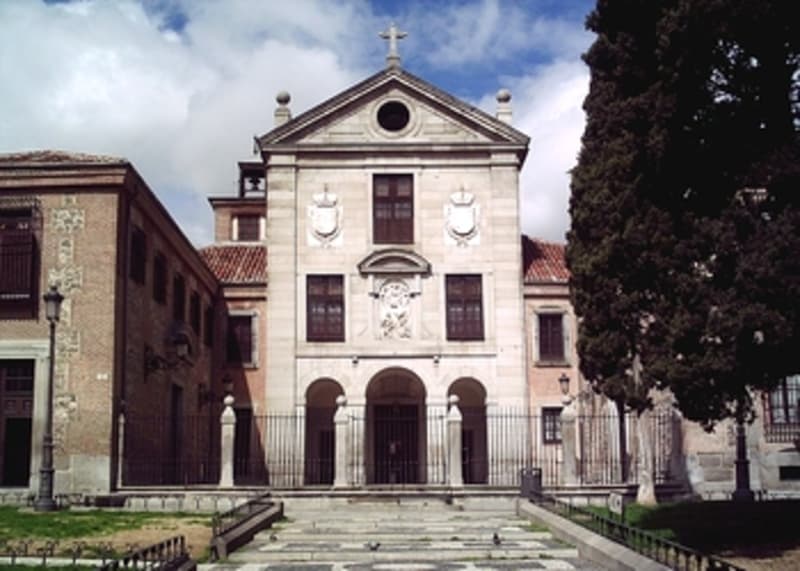
Nestled in a charming little square, the second of Central Madrid's royal Hapsburg monasteries contains a fascinating relics room.
Nestled in a charming little square between the Royal Palace and Plaza España, the Monasterio de la Encarnación is the second of Central Madrid's royal Hapsburg monasteries. In addition to an interesting church, cloister and collection of art, it contains a fascinating relics room that includes the miraculous blood of a saint.
The Monastery of the Incarnation was founded by Queen Margaret of Austria, wife of Philip III, in 1611 (the year the King James Bible was published in England). After a destructive fire, it was rebuilt by Ventura Rodriguez in 1767. The monastery is still active today, but the nuns stay out of sight during visiting hours.
The Monastery of the Incarnation was founded by Queen Margaret of Austria, wife of Philip III, in 1611 (the year the King James Bible was published in England).
After a destructive fire, it was rebuilt by Ventura Rodriguez in 1767 .
As at the Monasterio de las Descalzas Reales, visits to the Monasterio de la Encarnación are by guided tours in Spanish only. The convent includes a nice cloister, a fine Baroque church with a frescoed ceiling (by Francisco Bayeu), and a large but not especially impressive collection of 17th-century art.
For many visitors, the highlight of La Encarnación is the reliquario (relics room), where a variety of relics of saints contained in gold and silver reliquaries are displayed. The most important and interesting of these is the blood of Saint Pantaleon, which is kept in a glass orb. Every year on July 26, the eve of his feast day, the blood is said to miraculously liquefy. If it does not, then disaster is sure to follow.
Highlights from Sacred Destinations
Highlights from Sacred Destinations
Advertisement
Advertisement
Advertisement
Where on earth